My flat used to be an office. Nobody mentioned that.
The intercom gave it away. Ours had started ringing for other people's visitors, so an engineer came out, opened the panel in the corridor, and traced the wiring in silence for a while. Then he gave me the diagnosis that explains half of what is wrong with my building: this place was never wired for flats.
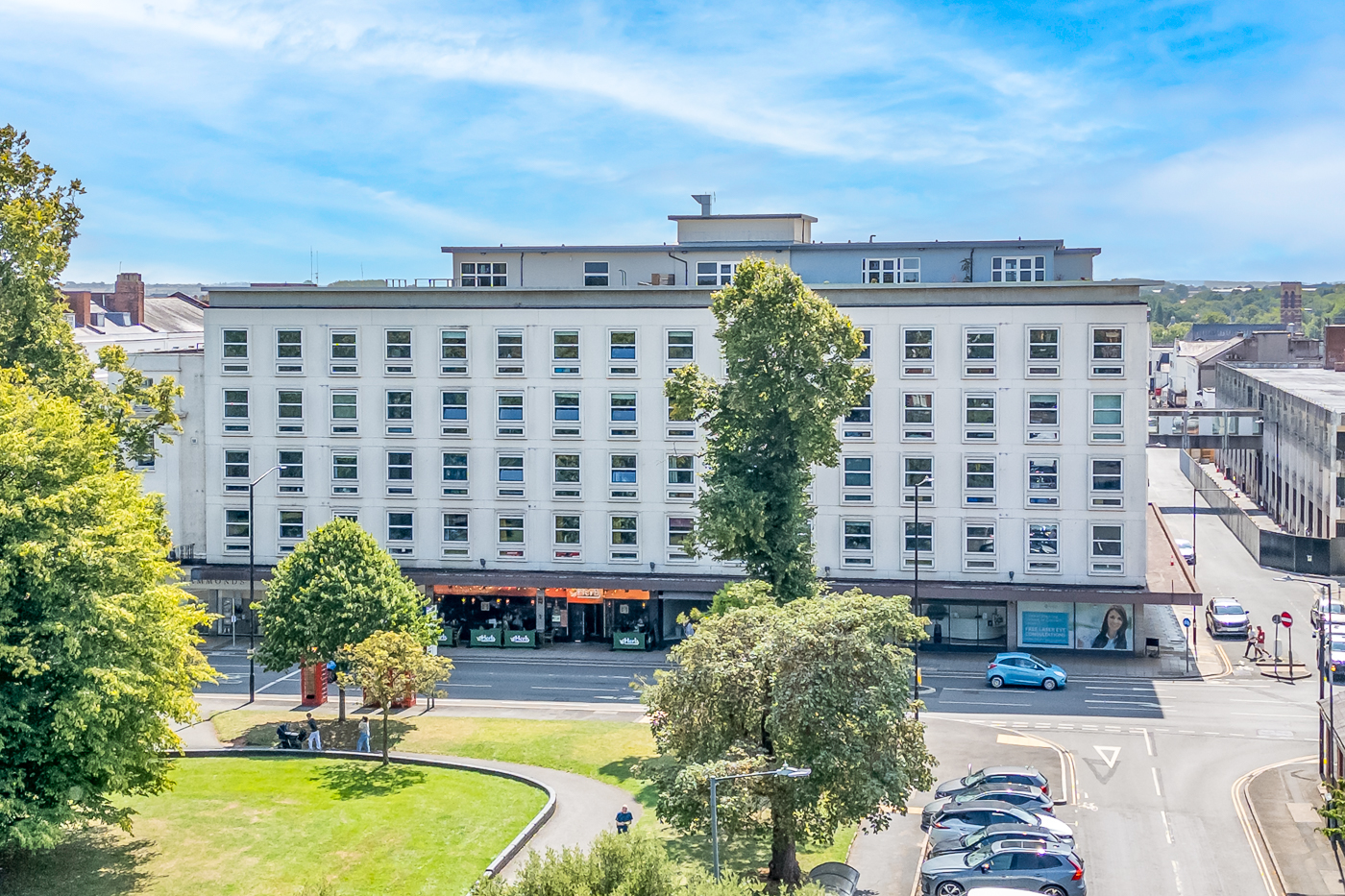
That was how I learned, properly, what I had bought. The building is an office-to-residential conversion. Fifty-four flats carved out of a commercial block, sitting on commercial-era infrastructure, sold one by one to buyers like me who were never told. The word "conversion" appeared nowhere in the listing. It appeared nowhere in anything I read before exchange.
A past life doesn't show up on a viewing
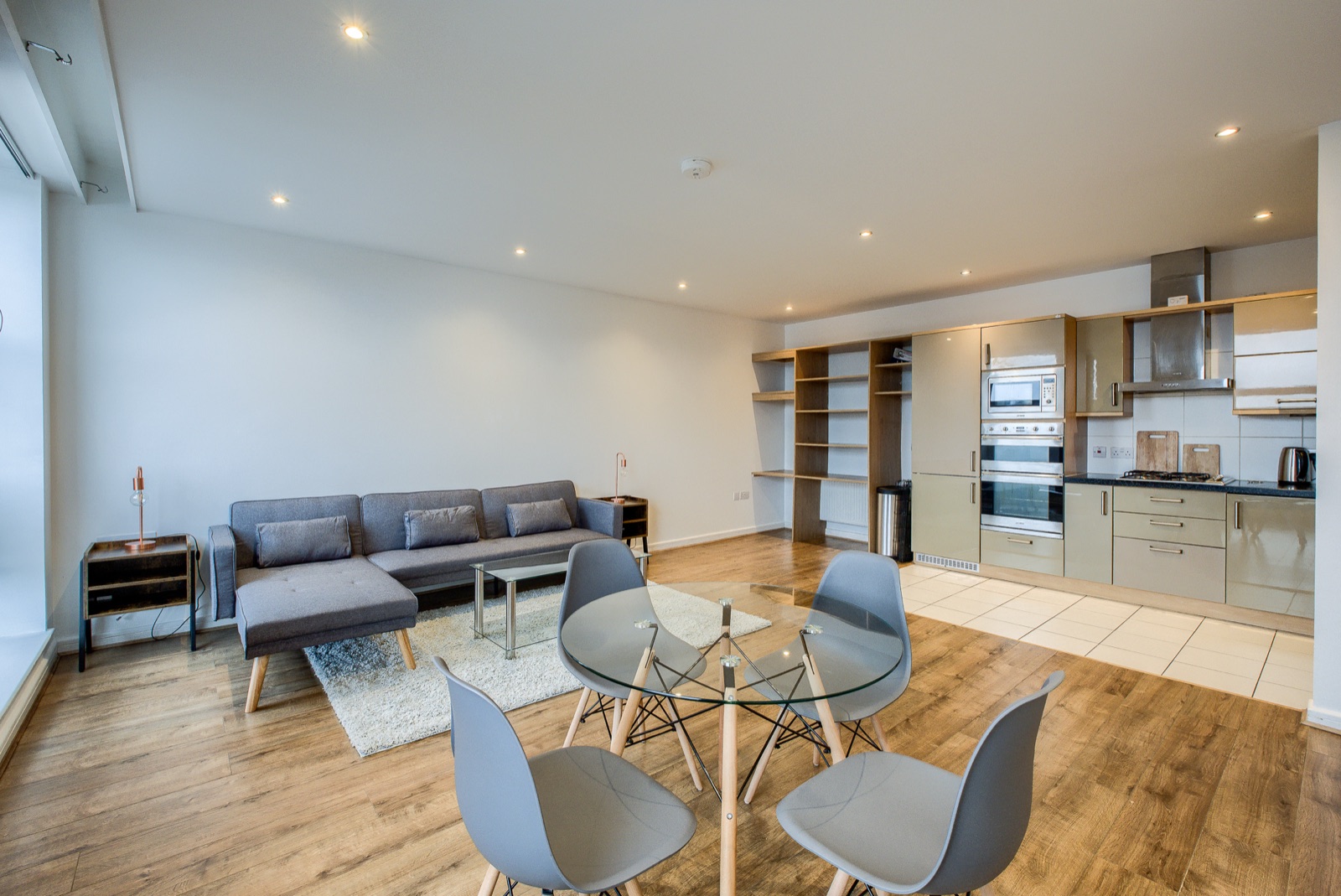
Here is the uncomfortable truth about conversions: from inside the flat, there is nothing to see. Fresh plaster, new kitchen, clean lines. The viewing gives you no reason to ask the question, and nobody in the selling chain has any incentive to raise it. A building's history lives in records, not in showrooms, and I did not know the records existed.
What the conversion left behind
Wiring made for one tenant, not fifty-four. An office floor is wired as one plot: one occupier, shared trunks, systems designed to be maintained by a facilities team with keys to everything. Carve that floor into flats and every shared system becomes a liability. Our intercom is a domestic system retrofitted onto office-era runs, so when one flat's handset misbehaves, the fault can sit anywhere along wiring that serves a dozen homes. No electrician can fix your flat without touching everyone's, which means every repair becomes a building-wide decision, and you already know from Part 1 how good my building is at those.
An address that barely existed. Before the conversion, this was one building with one commercial address. Afterwards it was fifty-four new addresses that half the country's systems had never heard of. Council records, utility suppliers, delivery firms, credit-check databases: I have lost hours explaining that my flat is real, fixing registrations that pointed at the wrong unit, and untangling accounts set up against the building rather than the flat. It sounds trivial. Lived with, it is a tax on every interaction that needs proof of address.
The enquiry treadmill. On paper, "converted office block" is a flag. Every transaction I have attempted since buying, letting it, re-mortgaging it, trying to sell it, has triggered an extra round of solicitor enquiries about the conversion: who did the works, what was signed off, where the certificates are. Each round adds weeks and fees, and the answers have to be chased through the same managing agent that has been replacing a front door for two years.
What it costs
Call-out fees for faults that belong to the building, not the flat. Hours of administrative correction that nobody reimburses. Weeks added to every transaction while enquiries bounce between solicitors and a silent managing agent. And a quieter cost: the mental discount every buyer applies the moment they hear "office conversion", before you have said anything else about the flat.
How you'd spot a conversion before you offer
This is the part I wish someone had told me. A conversion is one of the easiest things to detect in advance, because the paper trail is public and free:
- Search the local planning portal for the building's address. A conversion shows up either as a change-of-use application or, very commonly for office blocks since 2013, as a "prior approval" under permitted development, a lighter-touch route that skips much of the scrutiny of full planning. Either way, the entry tells you the building's history in one search.
- Ask the seller for the building-control completion certificate for the conversion works, and for an electrical installation condition report (EICR). A seller who can produce them quickly is telling you something good. A seller who can't is telling you something too.
- Read the building from the street. An office block's bones are visible: the window grid, the commercial units at ground level, one entrance serving dozens of flats. If it looks like an office wearing a flat's clothes, ask the question directly.
- Ask the managing agent which building systems date from the conversion, and which faults recur. Intercoms, ventilation and shared risers are where an office past resurfaces.
- Tell your conveyancer to raise the conversion history explicitly at the start, instead of waiting for the standard enquiries to flush it out weeks later.
Next week, Part 3: the reason I cannot sell the flat at all. Three leases stacked between me and the freeholder, three different owners, and the company in the middle that went bankrupt.
Buying a flat? Learn from my mistakes, not your own.
BackStory reads the records nobody reads (lease structure, planning history, lender red flags) and tells you in plain English what you're really buying. Human-reviewed, within 24 hours.
Get your report