I bought a flat that looked amazing in the photos. Five years later, I can't sell it.
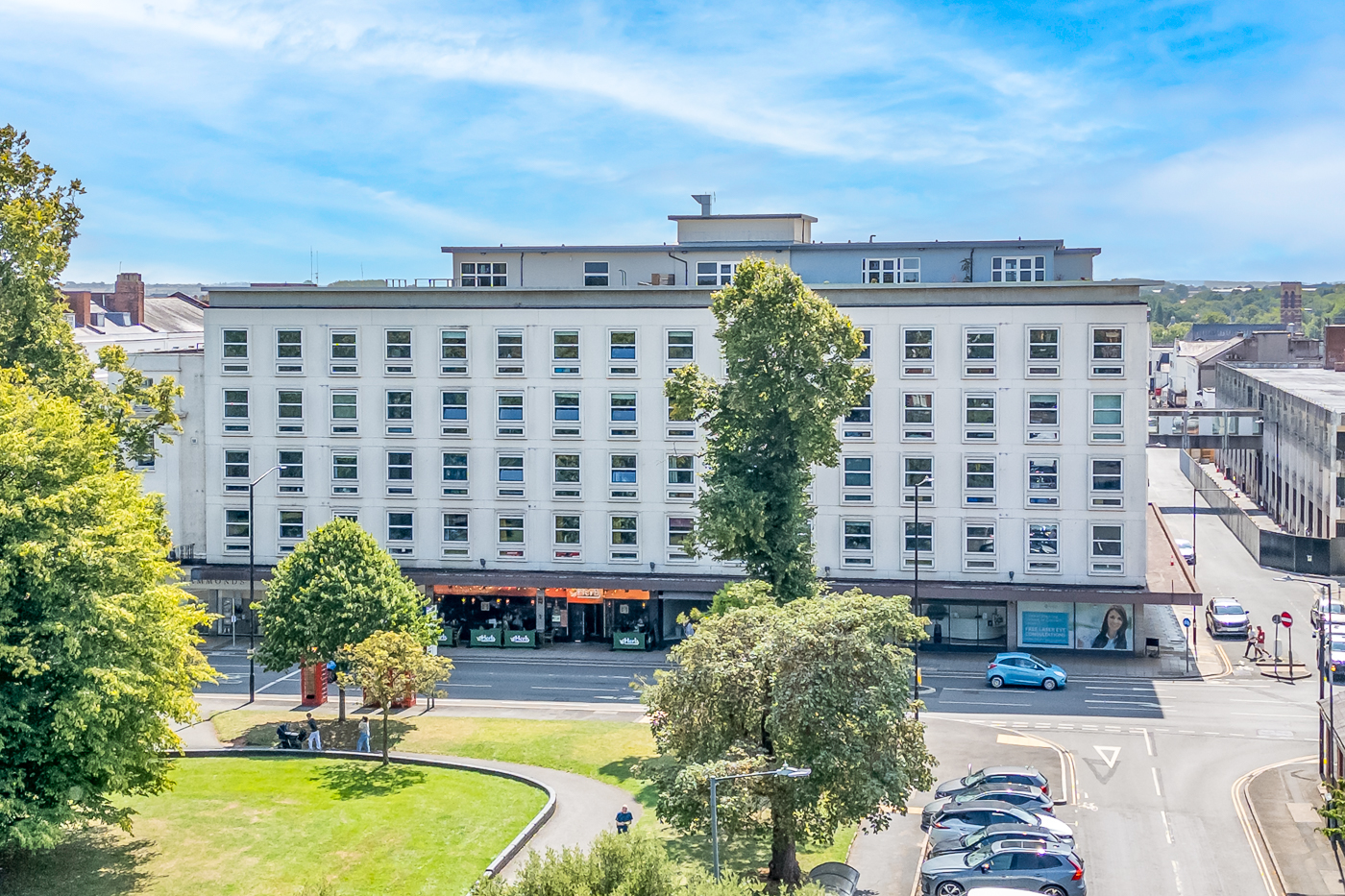
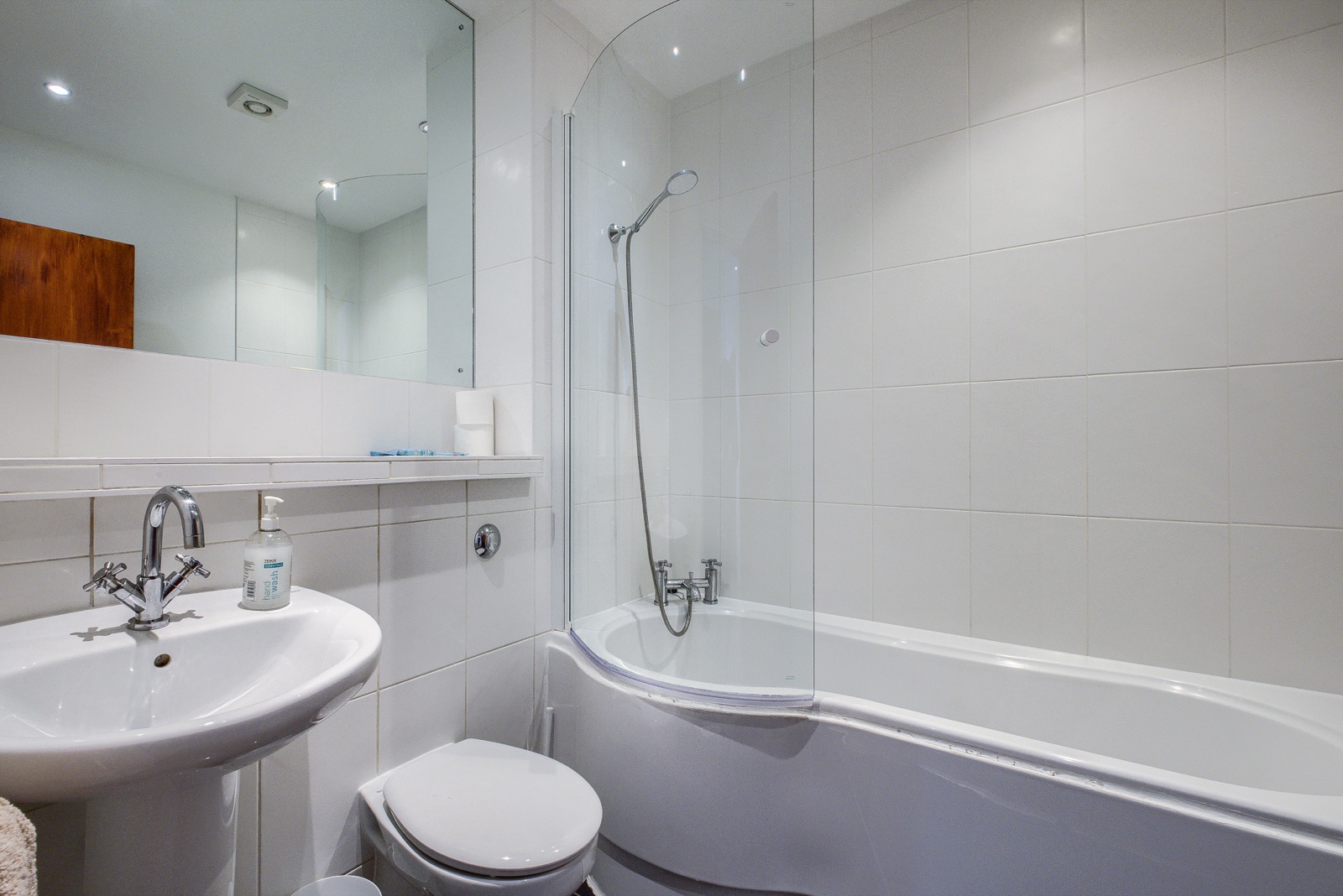
The listing had fourteen photos. High ceilings, big windows, a modern kitchen, a five-minute walk from the centre of Leamington Spa. I remember scrolling through them on my phone and thinking: this is it. My first property. The one sensible thing I would do with the small inheritance I'd been left.
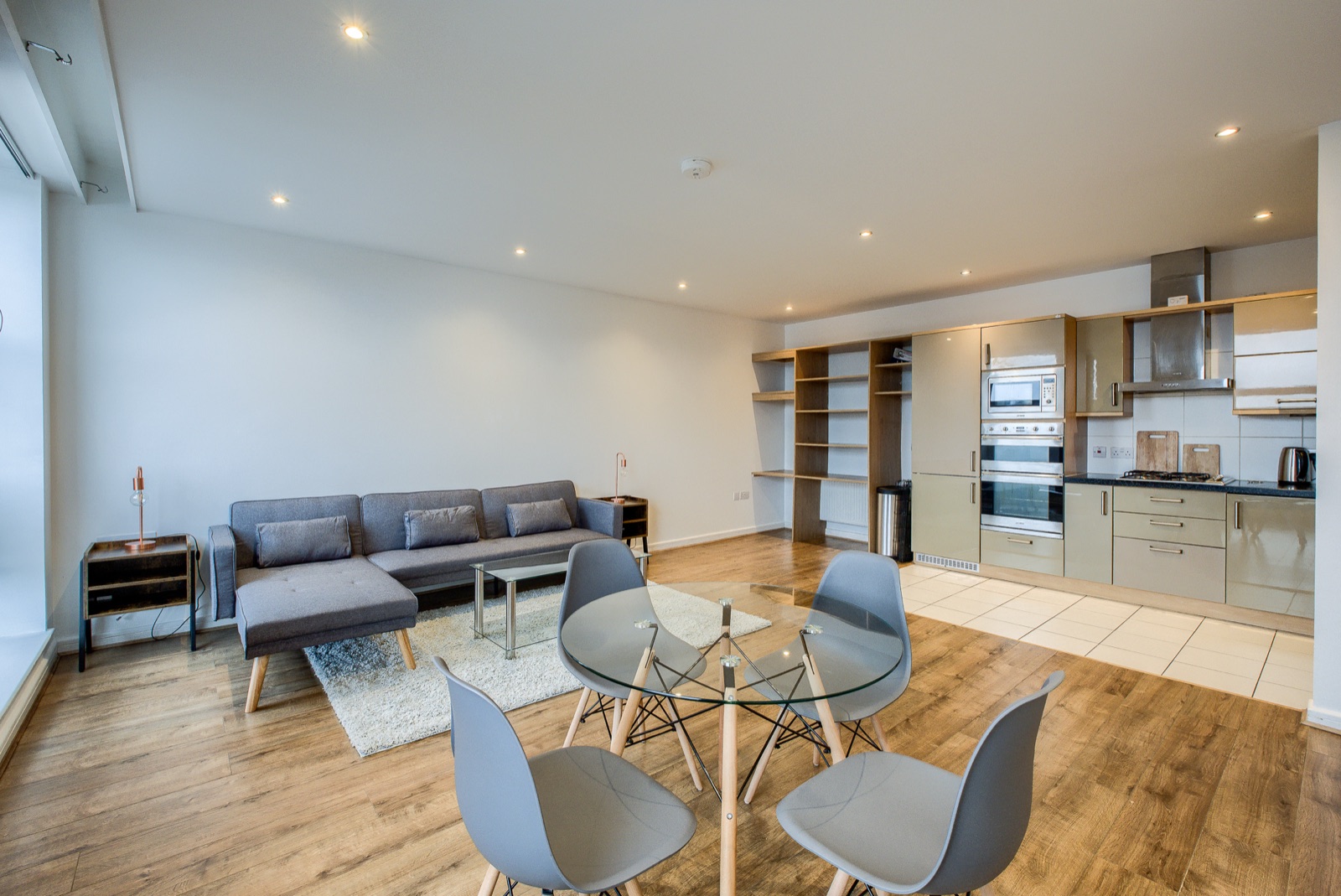
Five years later, that flat is the single most expensive mistake of my life, and I say that as someone who has since made several others. I cannot sell it. I cannot easily re-mortgage it. I cannot get the building to fix the things that are broken. And almost every reason why was sitting in public records, knowable, before I ever made an offer.
What I knew at the time
Honestly? The photos, the price, and the rental yield the agent quoted me. That was my due diligence. I was a first-time buyer with a modest inheritance: nowhere near enough to buy outright, so every penny went into the smallest deposit the lender would accept. I had a solicitor, of course. The searches came back. Nothing screamed at me to stop.
Here's the thing nobody tells you: the buying process is full of people who are paid when the sale completes. The agent works for the seller. The developer wants the unit gone. Even your own conveyancer is mostly checking that the paperwork is consistent, not whether the purchase is wise. Nobody in the chain is paid to say "walk away".
What was actually waiting for me
Over the next five years, the flat introduced me to its real self, one problem at a time. Each of these gets its own post in this series, because each one carries a lesson I'd pay good money to have known in advance:
- The building is an office-to-residential conversion, with the administrative tangle and electrical quirks a conversion leaves buried in the paperwork and the walls. Nobody mentioned it. (Part 2)
- There are three layers of lease between me and the freeholder, each owned by a different entity. The one in the middle went bankrupt. My flat is now, in practice, unsellable. (Part 3)
- The building (54 flats, more than half rented out, shops underneath) was mortgageable when I bought. Lenders have since changed their minds. My pool of possible buyers quietly collapsed. (Part 4)
- The flat was sold with direct access to an enclosed parking area, which meant no parking permit came with it. The council later deemed the parking unsafe and closed it down, leaving the flat with neither. (Part 5)
- The nightclub on the corner that was "about to close" is still going strong. The building's front door has been "in the process of being replaced" for two years. The lift is broken more often than it works. (Part 5)
- And the checklist I wish I'd had: everything I would check today, in order, before offering on any flat. (Part 6)
What it has cost me
Money, obviously: in service charges that deliver nothing, in rent lost to a building that students cycle through, in the value the flat has shed as lenders backed away. But the bigger cost is optionality. A property you cannot sell is not an asset; it is an anchor. Every financial decision I've made since has had to route around it.
And I want to be straight about the money, because it matters for who this series is for: I was lucky, but not in a life-changing way. A modest inheritance, every flat mortgaged to the maximum. With so little cushion, every one of these mistakes hit at full force. If you're a first-time buyer putting everything you have into a deposit, my starting position was yours.
How you'd spot a flat like mine
None of what follows requires a professional. It requires knowing where to look, which is exactly what nobody tells first-time buyers:
- Search the local planning portal for the building's address. A change-of-use application from office to residential is public record, and it changes every question you should ask next.
- Ask your conveyancer one direct question: "How many leases sit between me and the freeholder, and who owns each one?" Make them answer in plain English.
- Count the building. How many flats? What share are rented out? What's on the ground floor? Lenders care about all three, which means your future buyers will too.
- Visit at 11pm on a Friday. The neighbourhood you buy is the one that exists at night, not the one in the listing photos.
- Ask the managing agent for the last two years of board minutes. A building that can't replace a front door in two years is telling you something.
Next week, Part 2: the building used to be an office. The administrative and electrical burden a conversion leaves behind, and how to spot one before you fall in love with it.
Buying a flat? Learn from my mistakes, not your own.
BackStory reads the records nobody reads (lease structure, planning history, lender red flags) and tells you in plain English what you're really buying. Human-reviewed, within 24 hours.
Get your report